U.S. Tariffs Hit Canadian Mushroom Growers: CUSMA Review Looming
New U.S. tariffs on Canadian mushrooms threaten domestic market flooding and jobs ahead of CUSMA renegotiation.
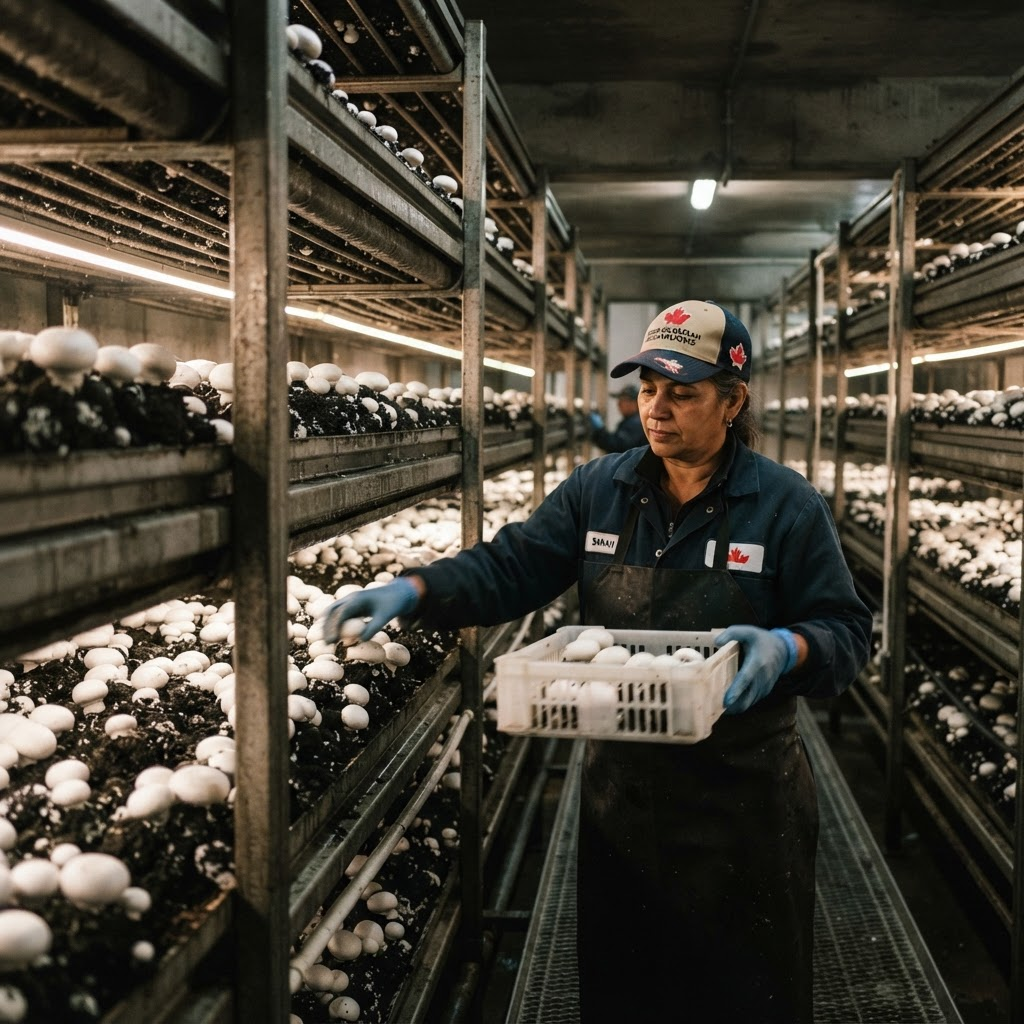
New U.S. tariffs on Canadian mushroom imports, effective mid-May 2026, are threatening significant economic disruption for Canadian growers and raising concerns about market flooding and job losses ahead of CUSMA (USMCA) renegotiation.
Tariff Implementation
U.S. tariffs on Canadian mushrooms took effect in May 2026, raising import costs substantially. The tariff rate significantly increases the price of Canadian mushrooms in American markets. American importers face cost increases that may be passed to consumers or absorbed as reduced margins.
Canadian Production Impact
Canada is a major mushroom producer, with significant export sales to the United States. Tariffs reduce price competitiveness for Canadian producers in American markets. Growers face potential revenue losses and reduced export demand.
Domestic Market Flooding Concerns
With reduced U.S. export opportunities, Canadian mushroom supply may flood domestic markets. Increased supply in Canada could depress local prices and grower profitability. Markets must absorb production previously destined for export.
Job Losses & Economic Impact
Farming communities dependent on mushroom cultivation face potential economic hardship. Processing, distribution, and related agricultural jobs are at risk. Regional economies in major growing areas could experience significant contraction.
CUSMA Renegotiation Context
The tariff arrives amid scheduled CUSMA (USMCA) renegotiation between the three countries. Agricultural trade terms are central negotiation points. The mushroom tariff signals U.S. willingness to impose targeted trade restrictions.
Government Response
Canadian agricultural representatives are advocating for tariff removal through trade negotiations. Industry groups lobby government to prioritize agricultural trade in upcoming talks. Diplomatic channels engage U.S. counterparts regarding mushroom tariff reconsideration.
Future Trade Uncertainty
The tariff precedent creates uncertainty for other agricultural exports. Canadian farmers question long-term market access stability. Trade policy becomes increasingly volatile under changing U.S. administrations.
Grower Resilience Strategies
Canadian producers explore domestic market expansion opportunities. Some growers shift focus toward higher-value specialty mushroom varieties. Cooperative marketing initiatives strengthen domestic supply chain positioning.
Key Takeaways
- Tariff impact analysis
- Market disruption
- Trade agreement concerns
- Agricultural economics