Trans Mountain Pipeline Expansion: Economic Impact
How the new pipeline is changing Canada's energy landscape and global competitiveness.
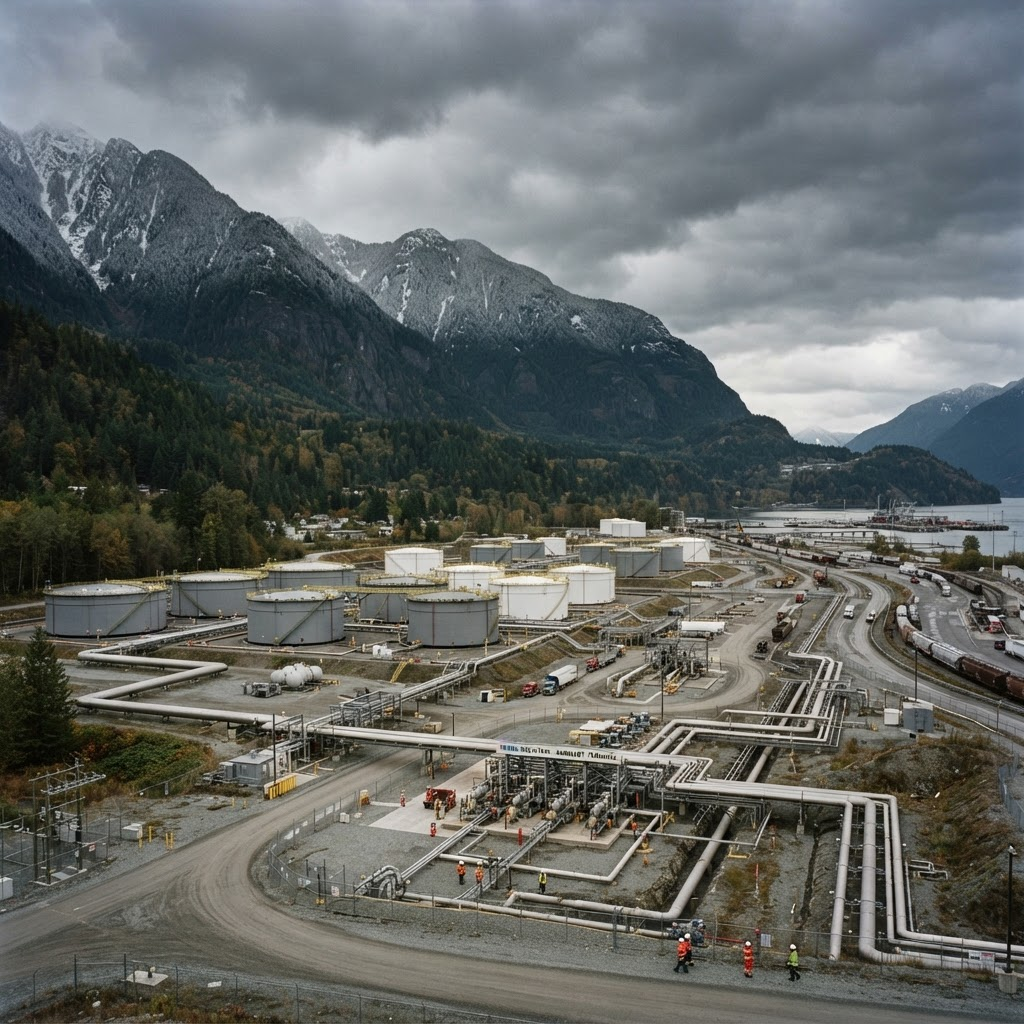
The Trans Mountain Pipeline expansion reached a historic milestone on May 5, 2026, achieving full operational capacity at 890,000 barrels per day—a game-changer for Canada's energy sector.
Expansion Overview
After years of construction and regulatory approval processes, the Trans Mountain Pipeline 2.0 is now operating at maximum sustainable capacity. This expansion significantly increases oil export capacity from Western Canada to Asian and American markets.
Economic Impact
The pipeline now transports 890,000 barrels per day to the West Coast, the highest volume in the network's history. This increased capacity has reduced the price discount between Western Canadian Select (WCS) and global oil benchmarks to just $10 per barrel—a record low.
Market Benefits
Lower price differentials mean Western Canadian oil producers receive more competitive global pricing. This improves profit margins and increases investment in Canadian energy infrastructure. The global benchmark alignment makes Canadian oil more competitive internationally.
Regional Advantages
Western Canada, particularly Alberta, benefits from increased export revenue and job creation. The expansion supports downstream industries and economic growth in oil-producing regions.
Future Outlook
Continued operations at capacity will strengthen Canada's position as a reliable energy exporter. The pipeline supports long-term economic stability in energy-dependent communities. Future phases may further optimize export routes and volumes.
Key Takeaways
- Record throughput achieved
- $10 price gap reduction
- Global benchmark alignment
- Western Canada benefits