B.C. Wildfire Prevention: Autonomous Drone Innovation
How autonomous drones are revolutionizing wildfire suppression in British Columbia.
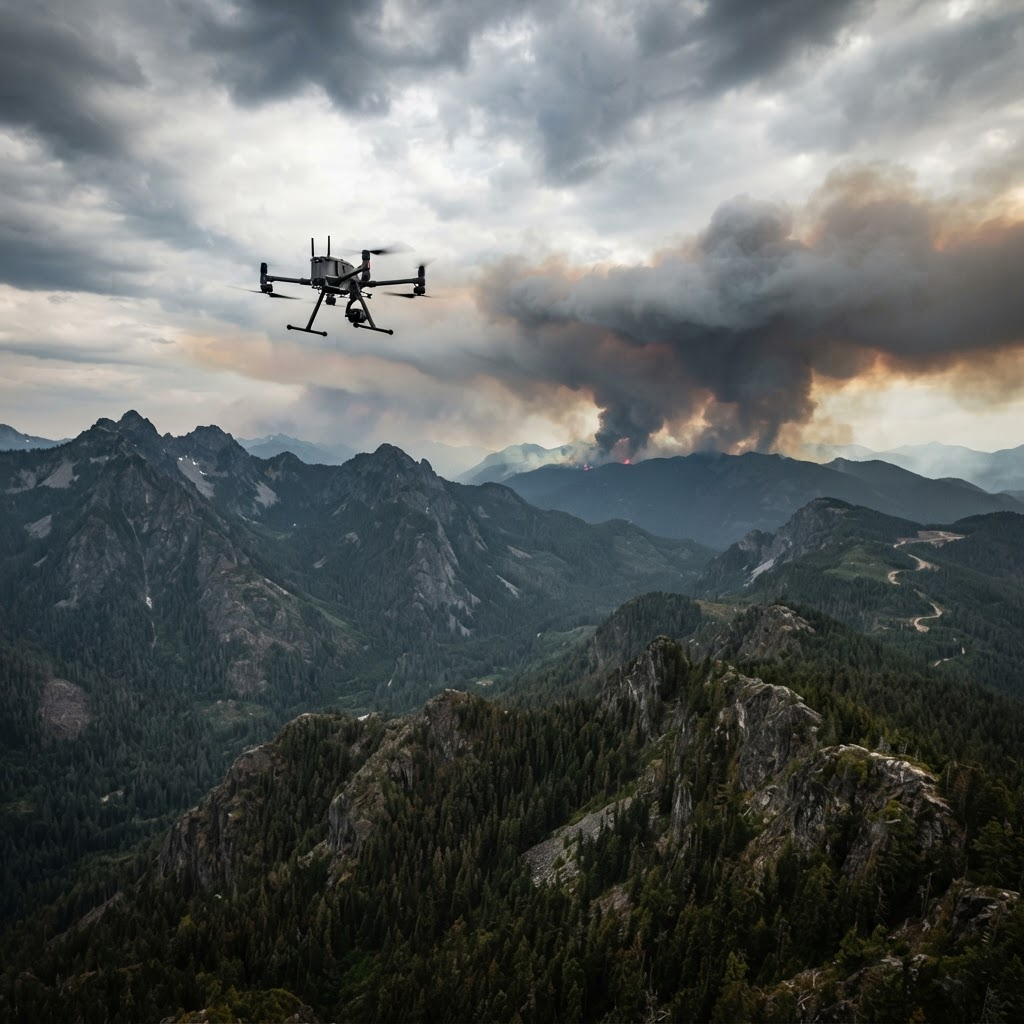
Following an unseasonably warm April in 2026, British Columbia officially activated its groundbreaking Early Suppression Task Force on May 2, equipped with 15 autonomous water-bombing drones designed to prevent catastrophic wildfires.
Technology Innovation
The autonomous drones represent a significant technological leap in wildfire suppression. These unmanned aircraft can detect fires and respond with precision water-bombing within minutes of ignition.
Rapid Response Capability
The system aims to extinguish lightning-strike fires within 60 minutes of detection—before they can spread uncontrollably. This rapid response capability prevents small fires from developing into massive megafires that devastated B.C. in previous years.
Climate-Driven Measures
The unseasonably warm April weather increased fire risk significantly, prompting earlier Task Force activation. Climate change is creating longer fire seasons and more favorable conditions for rapid fire spread.
Preventing Megafires
Previous years saw devastating megafires burning millions of acres and affecting air quality across North America. The new drone fleet aims to catch fires in their infancy before they reach catastrophic proportions.
Operational Network
Drones are strategically positioned across high-risk regions and can be rapidly deployed to fire locations. Autonomous operation means rapid deployment without human pilot delays. The system integrates with early detection networks.
Future Benefits
Successful deployment could serve as a model for other fire-prone regions globally. The technology may reduce long-term fire-fighting costs and property losses. Public health benefits include reduced smoke-related health impacts from massive fires.
Key Takeaways
- Autonomous water-bombing drones
- 60-minute response time
- Early detection technology
- Megafire prevention